Paperclip vs Ansible: Best Orchestration Tool for 2026?
Explore a detailed comparison of Paperclip and Ansible, two leading orchestration tools in 2026. Find out which is best for your automation needs.

Introduction
As businesses continue to automate and streamline operations, the demand for effective orchestration tools has never been higher. By 2026, companies are increasingly looking towards solutions that require minimal human intervention, allowing for more efficient workflows and reduced operational costs. Two prominent orchestration tools in this landscape are Paperclip and Ansible. Paperclip, a relatively new open-source project with 5,873 stars on GitHub, offers orchestration capabilities specifically designed for 'zero-human' companies. Ansible, on the other hand, has been a staple in the automation community for years, known for its simplicity and powerful automation capabilities.
This comparison aims to provide developers and decision-makers with a comprehensive understanding of how Paperclip and Ansible stack up against each other. We will explore their strengths, weaknesses, best use cases, and pricing, alongside practical code examples that highlight their differences. By the end of this guide, you should have a clear recommendation on which tool might be the best fit for your specific needs in 2026.
Quick Summary
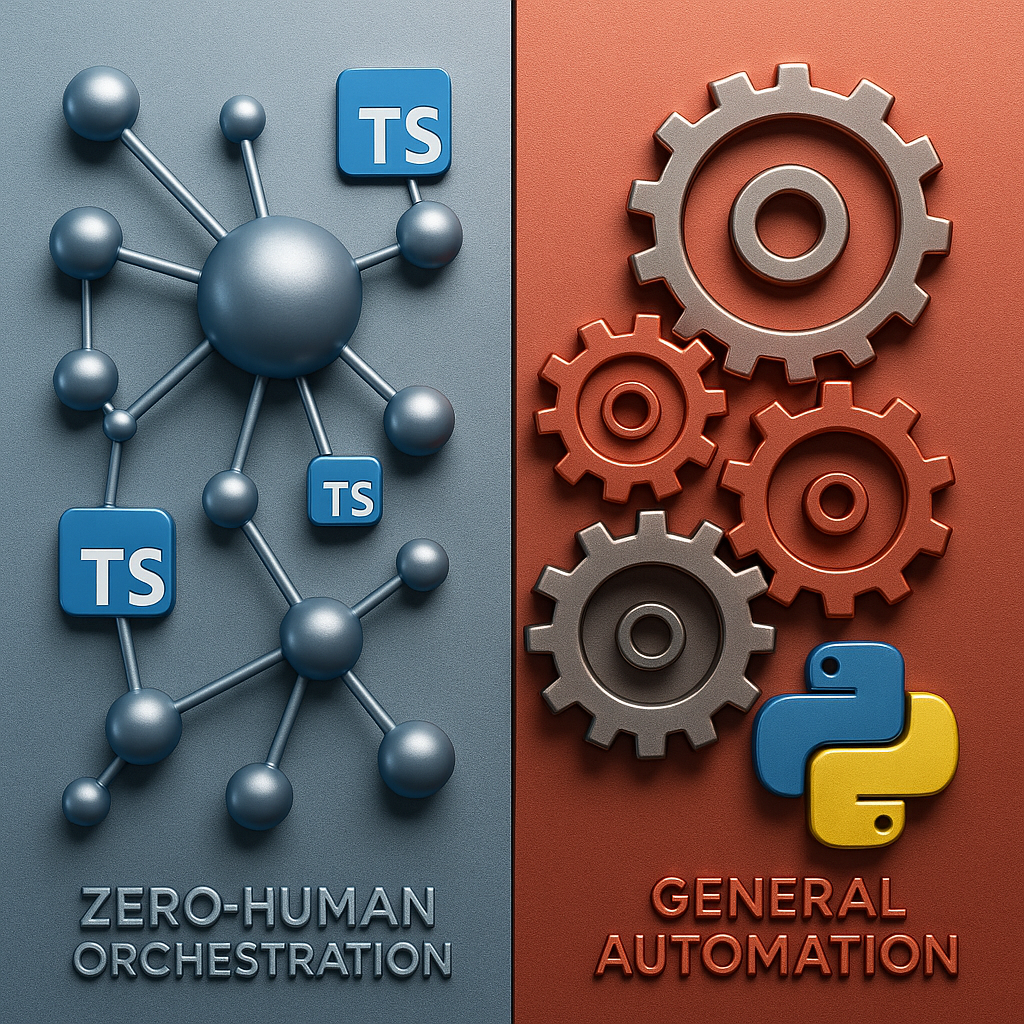
| Feature | Paperclip | Ansible |
|---|---|---|
| GitHub Stars | 5,873 | 58,000+ |
| Language | TypeScript | Python |
| Best For | Zero-human orchestration | General automation |
| Community Support | Growing | Established |
| Pricing | Free (Open-source) | Free (Open-source) |
Paperclip
Paperclip is an open-source orchestration tool designed for automating processes in environments that aim to minimize human intervention. Its TypeScript foundation makes it a modern choice for developers familiar with JavaScript ecosystems.
Strengths
- Specifically built for zero-human orchestration, making it ideal for companies aiming to automate end-to-end processes.
- Leverages TypeScript, offering a strong type system and modern development practices.
- Active development and an engaged community, as seen from its growing GitHub stars.
Weaknesses
- Being a newer tool, it lacks the extensive community and third-party module support that Ansible enjoys.
- Documentation and user resources are still developing as the community grows.
Best Use Cases
- Startups and tech-forward companies looking to build automated systems with minimal human oversight.
- Projects that are heavily invested in the JavaScript ecosystem and prefer TypeScript for consistency.
Pricing
Paperclip is completely open-source and free to use, with no enterprise pricing model currently available.
Code Example
// Paperclip example of deploying a microservice
import { deploy } from 'paperclip';

deploy({
  service: 'my-microservice',
  environment: 'production',
  config: {
    replicas: 3,
    image: 'my-microservice:latest'
  }
});
Ansible
Ansible is a well-established orchestration tool known for its simplicity and power. It is widely used in IT environments for automation, configuration management, and application deployment.
Strengths
- A mature product with a vast community and extensive documentation.
- Supports a wide range of modules and integrations, making it highly versatile.
- Uses YAML for its configuration syntax, which is easy to read and write.
Weaknesses
- Not specifically designed for zero-human orchestration, which might require additional scripting for complete automation.
- Python-based, which might not be ideal for teams focused on JavaScript/TypeScript.
Best Use Cases
- Large organizations with complex IT environments requiring robust automation solutions.
- Teams looking for a proven tool with extensive community and third-party support.
Pricing
Ansible is open-source and free to use, with additional enterprise offerings available for larger organizations needing more support.
Code Example
# Ansible example of deploying a microservice
- name: Deploy my microservice
  hosts: production
  tasks:
    - name: Ensure service is running
      docker_container:
        name: my-microservice
        image: my-microservice:latest
        state: started
        restart_policy: always
When to Choose Paperclip
If your organization is a startup or a tech company heavily invested in JavaScript and looking for a modern tool to automate entire workflows with minimal human intervention, Paperclip is a compelling choice. Its focus on zero-human orchestration makes it ideal for new projects aiming for high automation from the ground up.
Final Verdict
For 2026, the choice between Paperclip and Ansible largely depends on your organization's specific needs. If you are looking for a tool that offers innovative features for zero-human orchestration and your team is proficient in TypeScript, Paperclip is an excellent option. However, for organizations needing a mature, versatile solution with extensive community support, Ansible remains a reliable choice. Ultimately, both tools have their place, but the decision should be guided by your technical stack and automation goals.
Frequently Asked Questions
What is Paperclip?
Paperclip is an open-source orchestration tool designed for zero-human companies, leveraging TypeScript for automating workflows with minimal human intervention.
Why choose Ansible over Paperclip?
Ansible is a mature, versatile orchestration tool with extensive community support, making it ideal for complex IT environments and large organizations.
Can Paperclip be integrated with existing JavaScript projects?
Yes, Paperclip is built on TypeScript, making it a suitable choice for projects already utilizing JavaScript ecosystems.