
JavaScript vs Python: Backend Development in 2026
Explore the strengths and weaknesses of JavaScript and Python for backend development in 2026. Find out which language suits your freelancing goals.

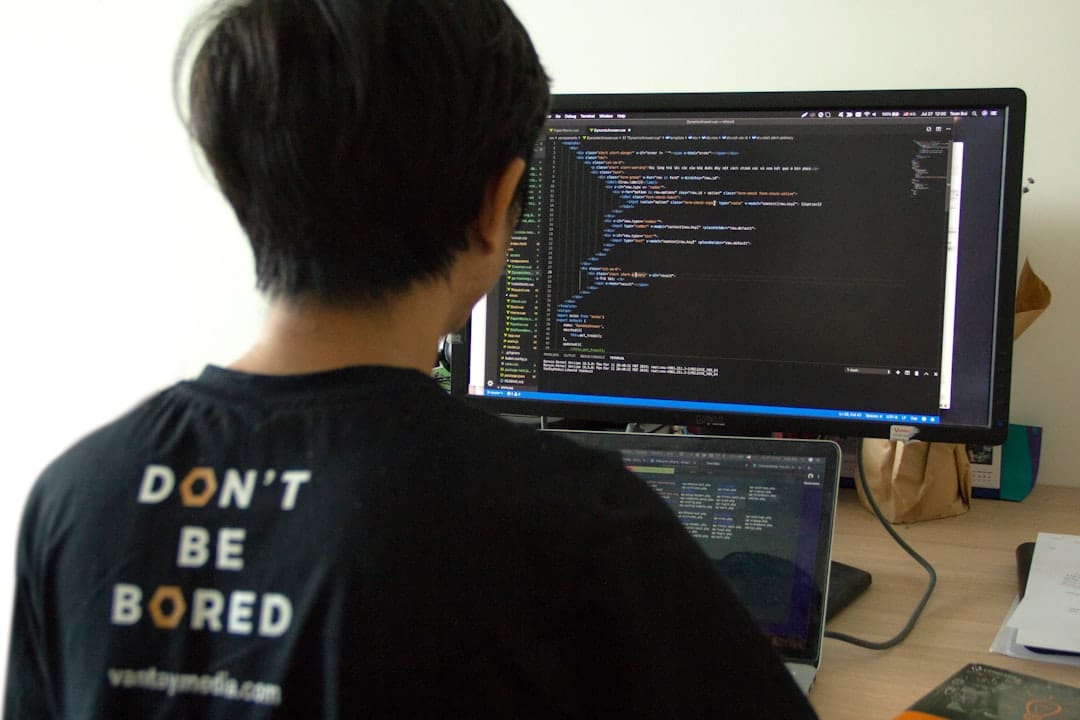
JavaScript vs Python: Backend Development in 2026
Choosing the right programming language for backend development is crucial, especially for aspiring freelance developers. Two of the most popular choices are JavaScript and Python. Both have their unique strengths, vast ecosystems, and vibrant communities, making the decision challenging. In this guide, we will compare JavaScript and Python, focusing on their utility for backend development, and help you make an informed decision.
Whether you aim to build web applications, develop Discord bots, or simply want to know which language has a brighter future, understanding the differences between JavaScript and Python is essential. We'll explore their performance, ease of learning, community support, and more.
Key Takeaways
- JavaScript, with Node.js, is highly versatile for both frontend and backend development.
- Python is renowned for its simplicity and is widely used in data science and machine learning.
- JavaScript offers better performance in I/O-bound tasks, while Python excels in CPU-bound tasks.
- Choose JavaScript if you plan to work on projects requiring full-stack development.
- Opt for Python if you are interested in data-driven applications or AI.
Quick Summary Table
| Criteria | JavaScript (Node.js) | Python |
|---|---|---|
| Performance | Fast for I/O-bound tasks | Better for CPU-bound tasks |
| Learning Curve | Moderate | Easy |
| Community & Support | Large, active | Large, diverse |
| Best Use Cases | Full-stack, real-time apps | Data science, AI, web apps |
| Library Support | Extensive (npm) | Extensive (pip) |
JavaScript (Node.js)
Strengths: JavaScript, with its runtime environment Node.js, is an excellent choice for full-stack development. It allows developers to use the same language on both the frontend and backend, streamlining the development process. Node.js is known for its non-blocking, event-driven architecture, which makes it particularly suitable for I/O-bound applications like real-time chat apps and streaming services.
Weaknesses: While JavaScript is powerful, it can become complex due to its asynchronous nature. Additionally, Node.js might not be the best choice for CPU-intensive tasks as its single-threaded model can become a bottleneck.
Best Use Cases: If your projects involve building web applications with real-time features, or you require a unified language for both client-side and server-side code, JavaScript is a compelling choice.
Pricing: Open-source, free to use.
// Node.js code example: Simple HTTP server
const http = require('http');
const server = http.createServer((req, res) => {
  res.statusCode = 200;
  res.setHeader('Content-Type', 'text/plain');
  res.end('Hello, World!\n');
});
server.listen(3000, () => {
  console.log('Server running at http://localhost:3000/');
});
Python
Strengths: Python's simplicity and readability make it an excellent choice for beginners. It excels in areas requiring heavy computation and is the go-to language for data science, machine learning, and AI. Python's rich ecosystem of libraries and frameworks, such as Django and Flask for web development, are powerful and easy to learn.
Weaknesses: Python's execution speed is typically slower than JavaScript when handling I/O-bound tasks. It is also not suitable for mobile development out of the box.
Best Use Cases: Python is ideal for projects that involve data analysis, machine learning, or require rapid prototyping. Its extensive libraries make it a preferred choice for scientific computing and data-driven applications.
Pricing: Open-source, free to use.
# Python code example: Simple HTTP server
from http.server import BaseHTTPRequestHandler, HTTPServer

class SimpleHTTPRequestHandler(BaseHTTPRequestHandler):
    def do_GET(self):
        self.send_response(200)
        self.end_headers()
        self.wfile.write(b'Hello, World!\n')

httpd = HTTPServer(('localhost', 8000), SimpleHTTPRequestHandler)
httpd.serve_forever()
When to Choose JavaScript
Choose JavaScript if your goal is to work on full-stack applications where you want the convenience of using the same language across the entire stack. Its performance in handling asynchronous operations makes it a good fit for real-time applications and microservices architecture.
When to Choose Python
Select Python if you are more inclined towards data-driven applications or fields like AI and machine learning. Its straightforward syntax and extensive libraries make it particularly attractive for rapid development and prototyping.
Final Verdict
Both JavaScript and Python are powerful in their own right. If you're aiming to become a versatile developer capable of handling both frontend and backend tasks, JavaScript is the way to go. However, if your interests lie in data science, AI, or applications that require heavy computation, Python is the better choice. Consider your personal interests and career goals when making your decision.
Frequently Asked Questions
Is JavaScript faster than Python?
JavaScript, especially with Node.js, is typically faster for I/O-bound tasks, while Python may outperform JavaScript in CPU-bound tasks due to its efficient libraries.
Should I learn front-end development as well?
Learning frontend development can be advantageous if you aim to become a full-stack developer, allowing you to build comprehensive applications.
Which language is better for Discord bots?
Both JavaScript and Python are popular for creating Discord bots. JavaScript offers asynchronous capabilities, while Python is known for its simplicity and extensive libraries.