
Top 10 iOS Welcome Screens Rebuilt: React Native vs. Expo in 2026
React Native and Expo offer distinct advantages for rebuilding iOS app welcome screens. Discover which framework is best for your 2026 project needs.

Top 10 iOS Welcome Screens Rebuilt: React Native vs. Expo in 2026
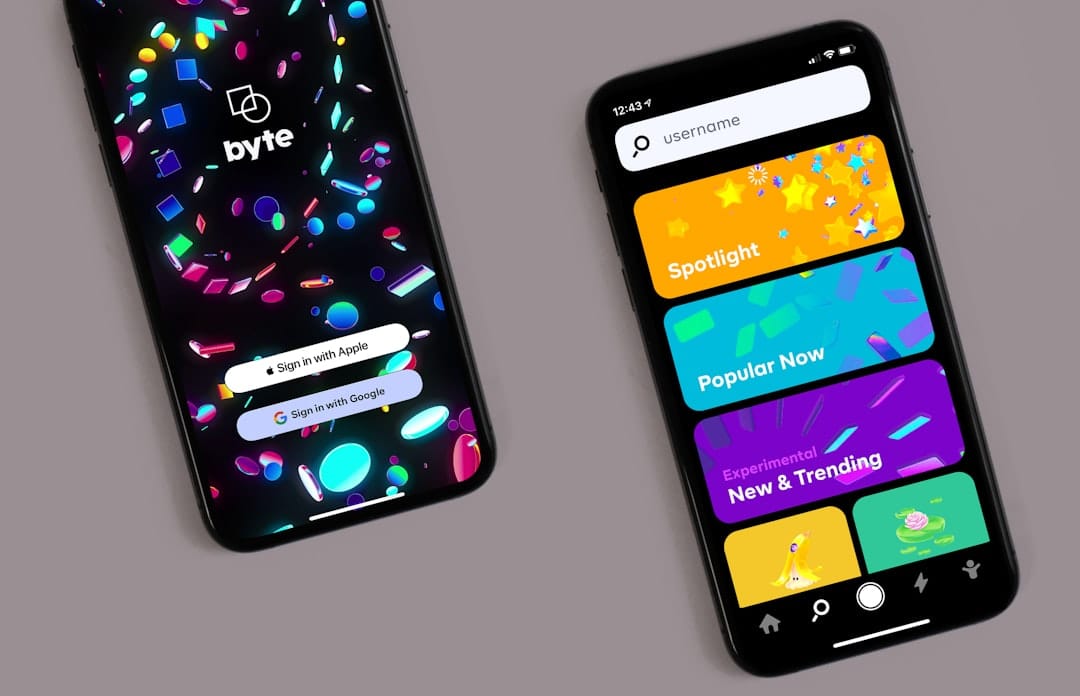
Welcome screens are often the first interaction a user has with an app, making them a crucial component of user experience design. In this comparison, we explore how React Native and Expo can be used to recreate the welcome screens of top-earning iOS apps. By understanding the strengths and weaknesses of these frameworks, developers can better decide which one to use for their projects.
Key Takeaways
- React Native offers more flexibility and control but requires more setup and configuration.
- Expo streamlines the development process with a set of tools and services but might limit customization.
- Both frameworks can create high-quality, animated welcome screens when used effectively.
- Consider your team's experience and project requirements when choosing between React Native and Expo.
React Native and Expo are both popular choices for developing mobile applications. React Native is a robust framework that allows developers to build natively-rendered mobile apps using JavaScript and React. Expo, on the other hand, is a framework and platform for universal React applications that builds on top of React Native. For developers aiming to recreate the impressive welcome screens of top iOS apps, understanding the nuances between these two can significantly influence the development process.
As of 2026, both frameworks have matured and offer powerful features for creating seamless user experiences. This article will delve into the differences, strengths, and weaknesses of each, helping you make an informed choice for your next project.
| Feature | React Native | Expo |
|---|---|---|
| Setup and Configuration | Complex | Simplified |
| Customization | High | Limited |
| Community Support | Large | Growing |
| Ease of Use | Moderate | Easy |
React Native
React Native is a tried-and-true framework that empowers developers to create native mobile applications using JavaScript. It offers a high degree of flexibility and control, making it suitable for complex and highly customized welcome screens.
Strengths
- High level of customization and control over components.
- Strong community support with over 110,000 GitHub stars.
- Access to native modules and libraries.
Weaknesses
- Complex setup and configuration process.
- Requires more time to learn and master especially for beginners.
Best Use Cases
React Native is ideal for projects where customization and performance are critical. It's well-suited for large-scale applications requiring unique features and integrations.
Code Example
import React from 'react';
import { View, Text, StyleSheet } from 'react-native';

const WelcomeScreen = () => {
  return (

      Welcome to Our App!

  );
};

const styles = StyleSheet.create({
  container: {
    flex: 1,
    justifyContent: 'center',
    alignItems: 'center',
  },
  welcome: {
    fontSize: 24,
    fontWeight: 'bold',
  },
});

export default WelcomeScreen;
Expo
Expo simplifies the development process with its set of tools and services. It’s particularly advantageous for developers who want to quickly prototype and deploy their applications without worrying about native code.
Strengths
- User-friendly with easy setup and configuration.
- Includes a wide range of pre-built components and APIs.
- Streamlined updates and maintenance through the Expo Go app.
Weaknesses
- Limited customization compared to React Native.
- May encounter limitations with native module integrations.
Best Use Cases
Expo is great for small to medium-sized projects where speed and ease of development are prioritized over deep customization. It is perfect for developers who need to deploy quickly and efficiently.
Code Example
import React from 'react';
import { View, Text, StyleSheet } from 'react-native';

const WelcomeScreen = () => {
  return (

      Welcome to Our App!

  );
};

const styles = StyleSheet.create({
  container: {
    flex: 1,
    justifyContent: 'center',
    alignItems: 'center',
  },
  welcome: {
    fontSize: 24,
    fontWeight: 'bold',
  },
});

export default WelcomeScreen;
When to Choose React Native
Choose React Native when your project demands in-depth customization, performance optimization, and integration with specific native modules. Its broad community support and extensive documentation make it a reliable choice for complex applications.
When to Choose Expo
Choose Expo when you need rapid development and deployment without the hassle of managing native code. Its simplicity and comprehensive toolkit are perfect for small to medium-sized apps with standard features.
Final Verdict
Both React Native and Expo have their merits and choosing between them often comes down to the specific needs of your project and team. For projects where customization and native performance are prioritized, React Native is the way to go. Conversely, if speed and simplicity are your main concerns, Expo provides a hassle-free development experience. Ultimately, the decision should align with your team’s expertise and the specific requirements of your application.
Frequently Asked Questions
What is the main difference between React Native and Expo?
React Native offers more customization and control, while Expo simplifies development with built-in tools and services.
Is Expo suitable for large projects?
Expo can be used for large projects, but its limitations in customization may require ejecting to React Native for more complex needs.
Can I switch from Expo to React Native?
Yes, you can eject from Expo to React Native if you need more control over native code and integrations.