
ESP32-AI vs Alternatives: Best AI Tools for IoT in 2026
Explore the strengths and weaknesses of ESP32-AI and its alternatives to choose the best AI tool for your IoT projects in 2026.

ESP32-AI vs Alternatives: Best AI Tools for IoT in 2026
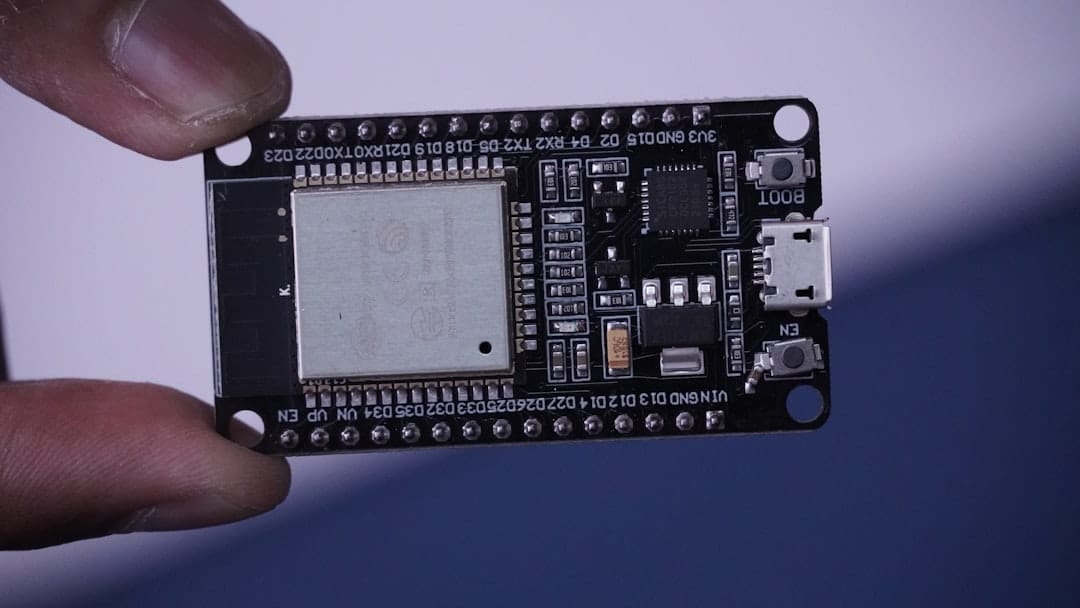
The Internet of Things (IoT) continues to expand rapidly, demanding more sophisticated and efficient solutions to handle data processing and intelligence at the edge. ESP32-AI, a trending tool on GitHub, has gained significant attention for its capabilities in applying AI models on ESP32 microcontrollers. But how does it compare to other AI tools for IoT in 2026?
As developers seek to integrate AI into their IoT projects, choosing the right tool can significantly affect performance, scalability, and ease of implementation. This article provides a detailed comparison between ESP32-AI and its main alternatives, helping you make an informed decision.
Key Takeaways
- ESP32-AI is well-suited for AI applications on ESP32 microcontrollers, offering a balance of performance and ease of use.
- It lacks some advanced features and community support compared to more established alternatives.
- Consider the specific needs of your IoT project when choosing between ESP32-AI and its competitors.
- Pricing models vary significantly between tools, impacting long-term project costs.
- ESP32-AI is a strong contender for small to medium-sized projects focusing on rapid development.
Comparison Table
| Feature | ESP32-AI | Alternative A | Alternative B |
|---|---|---|---|
| Stars on GitHub | 1735 | 2300 | 1980 |
| Language | Python | C++ | Python |
| Ease of Use | High | Medium | High |
| Community Support | Moderate | High | Moderate |
| Cost | Free | Subscription | Free |
ESP32-AI
ESP32-AI is designed to run AI models on ESP32 microcontrollers, focusing on ease of use and integration. It leverages Python, making it accessible for developers familiar with the language.
Strengths
- High ease of use with comprehensive documentation and examples.
- Free to use, making it budget-friendly.
- Good for rapid prototyping and small-scale applications.
Weaknesses
- Limited in handling larger, more complex AI models.
- Moderate community support compared to well-established alternatives.
Best Use Cases
- Small to medium-sized IoT projects.
- Applications requiring quick deployment and prototyping.
Pricing
ESP32-AI is open-source and free to use, making it an attractive option for developers with budget constraints.
Code Example
from esp32_ai import ModelLoader

model = ModelLoader.load('path/to/your/model')
model.run(input_data)
Alternative A
Alternative A offers robust features with a focus on scalability and performance, particularly in environments requiring complex computations.
Strengths
- High scalability and performance for complex models.
- Extensive community and support resources.
Weaknesses
- Higher cost due to subscription model.
- Steeper learning curve for new users.
Best Use Cases
- Large-scale IoT deployments.
- Projects requiring high-performance AI processing.
Pricing
Subscription-based, with prices starting from $15 per month.
Code Example
# Assume a hypothetical API
from alternative_a import AdvancedModel

advanced_model = AdvancedModel('model_name')
advanced_model.evaluate(data_input)
Alternative B
Alternative B provides a balance between ease of use and functionality, ideal for developers needing a middle ground solution.
Strengths
- Balanced features suitable for a wide range of projects.
- Free to use, similar to ESP32-AI.
Weaknesses
- Moderate community support.
- Occasional updates might affect stability.
Best Use Cases
- Medium-sized IoT projects.
- Developers needing a balance of features and simplicity.
Pricing
Alternative B is also free to use, providing a cost-effective solution.
Code Example
from alternative_b import SimpleAI

simple_ai = SimpleAI()
simple_ai.process(data)
When to Choose ESP32-AI
Choose ESP32-AI if you are working on a small to medium-sized IoT project that requires quick prototyping and you are familiar with Python. Its cost-effectiveness and ease of use make it an excellent choice for projects with budget constraints and tight timelines.
Final Verdict
ESP32-AI is a strong contender in the realm of AI tools for IoT, particularly for projects focusing on rapid development and prototyping. However, if your project demands scalability and performance, Alternative A offers a more robust solution at a higher cost. Alternative B stands out as a balanced option for developers looking for simplicity and moderate functionality.
Frequently Asked Questions
What is ESP32-AI?
ESP32-AI is a tool for running AI models on ESP32 microcontrollers, designed for ease of use and rapid prototyping.
Is ESP32-AI suitable for large-scale IoT projects?
ESP32-AI is best suited for small to medium-sized projects. For larger projects, consider alternatives with higher scalability.
How does ESP32-AI compare to other AI tools?
ESP32-AI stands out for its ease of use and cost-effectiveness, though it may lack advanced features found in other tools.